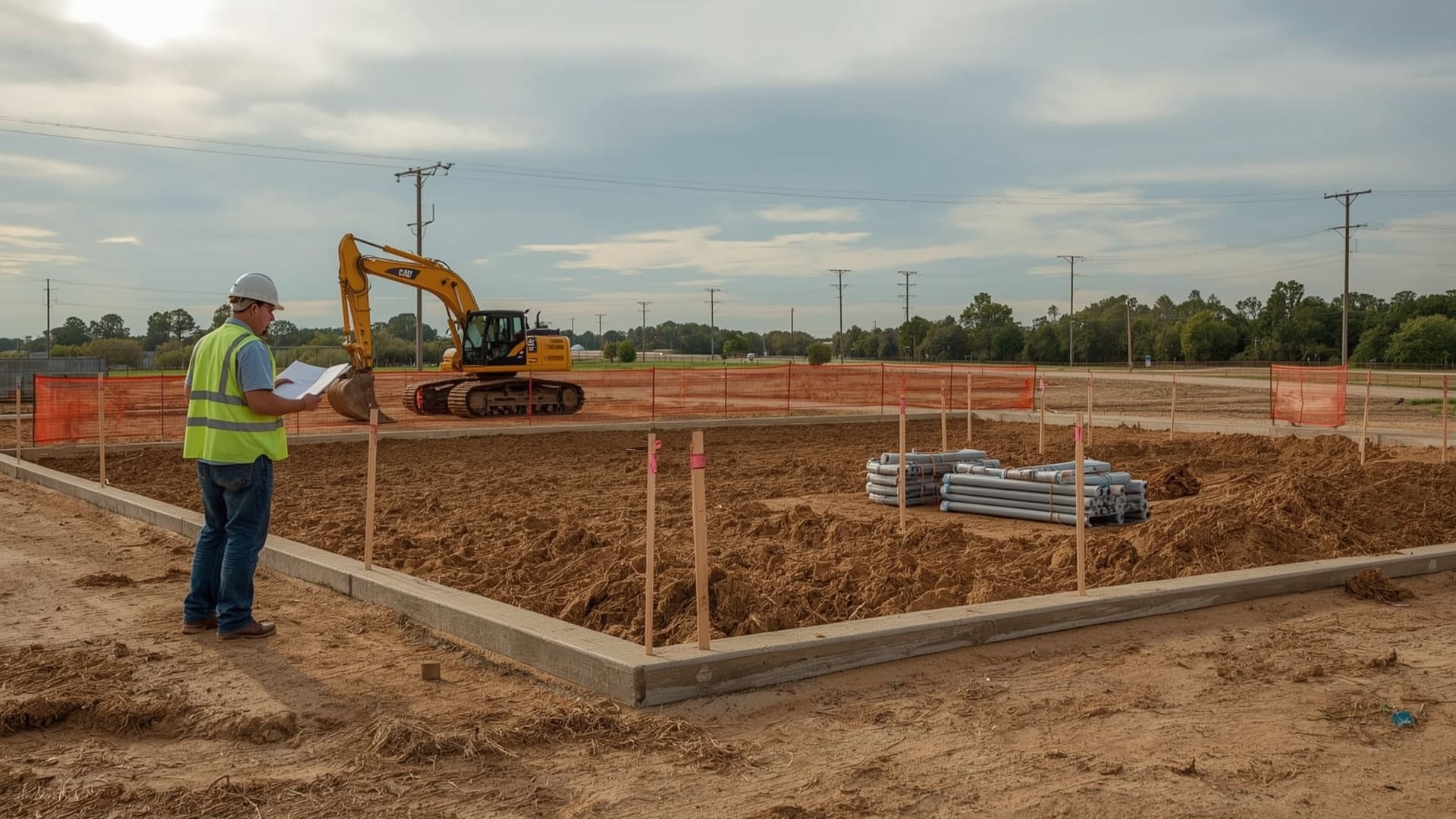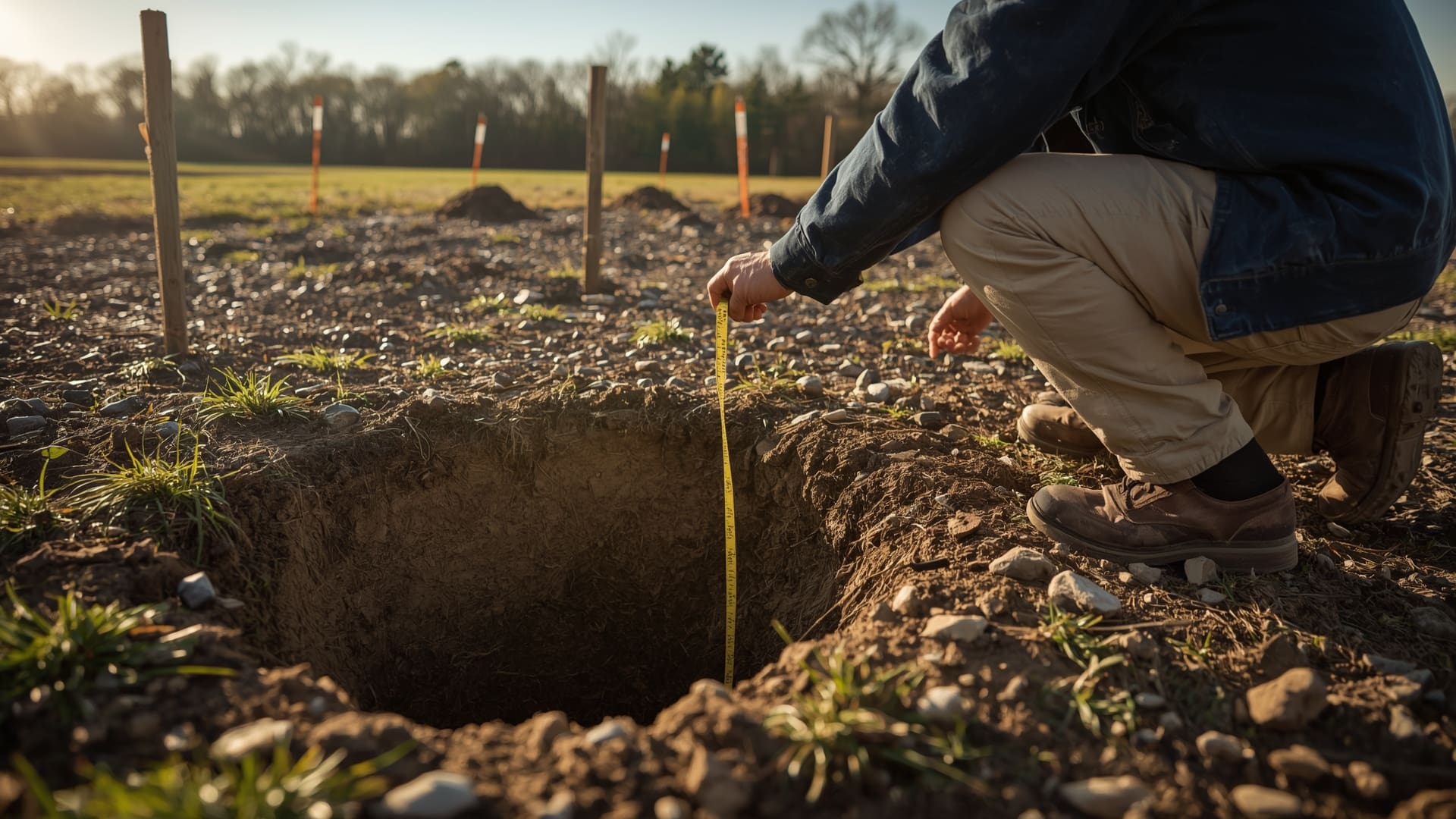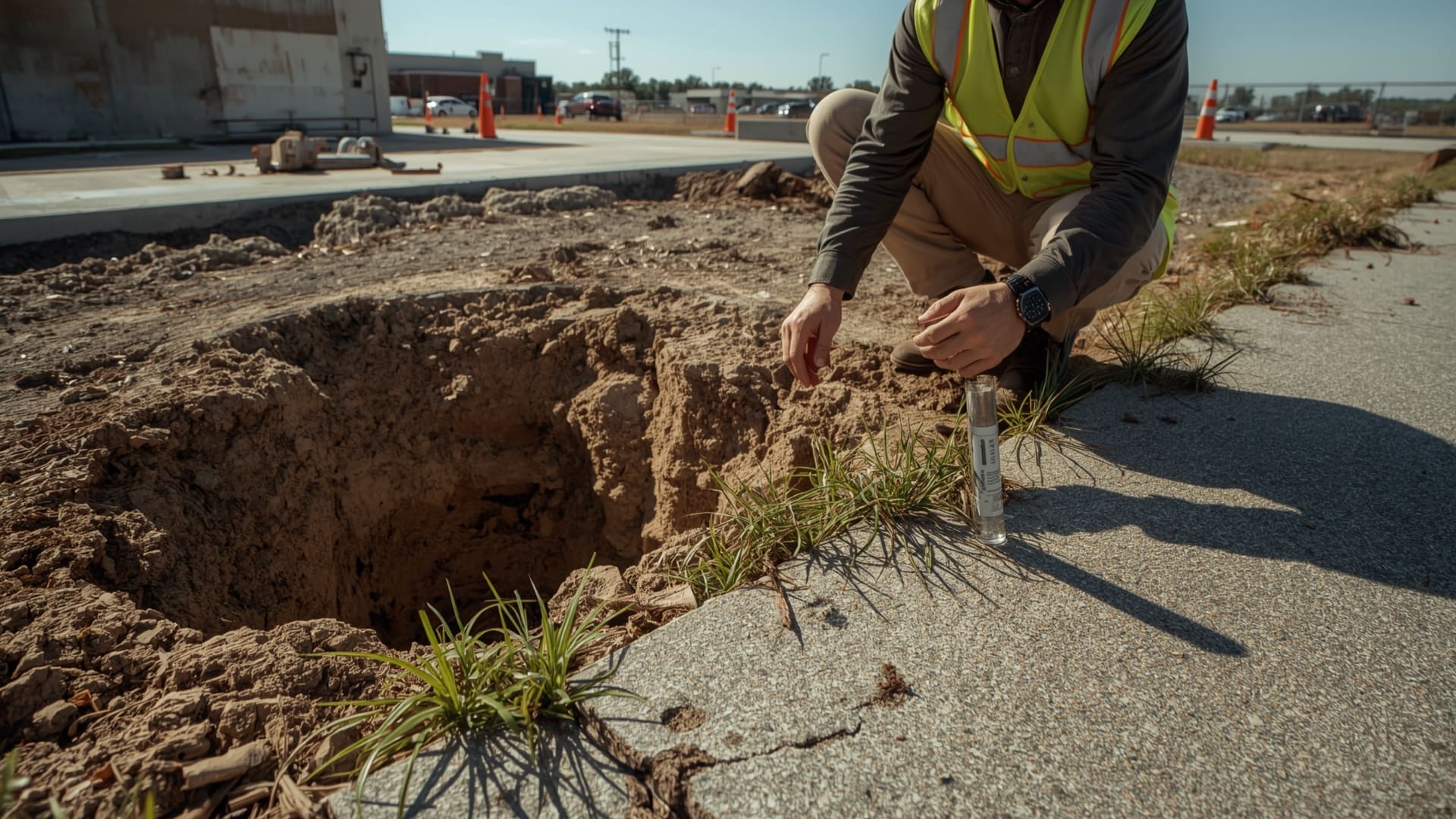
Buying raw land is one of the most exciting real estate moves you can make. It’s also one of the trickiest. Unlike buying a house, there’s no existing structure to inspect, no appraisal comps down the street, and often no mortgage broker eager to hand you a loan. Raw land — meaning vacant, undeveloped property with no utilities, roads, or buildings — plays by different rules.
But with the right process, buying raw land can be straightforward. Whether you want to build a home, start a farm, hold for investment, or simply own a piece of the earth, the steps below walk you through every phase. From nailing down your purpose to closing at the title company, this guide covers what you actually need to know.
Key Takeaways
- Define your purpose first — your goals for the land (building, farming, investing) shape every decision that follows, from location to zoning requirements.
- Due diligence is the most critical phase — zoning, utilities, soil quality, environmental hazards, and legal access can make or break a raw land purchase.
- Financing raw land is harder than financing a home — expect larger down payments (20%–50%), higher interest rates, and fewer lender options.
- Always get a land survey and title search — boundary disputes and title defects are far more common with vacant land than developed property.
- Budget beyond the purchase price — utility connections, road access, permits, and site preparation can add $10,000–$100,000+ to your total investment.
- Work with land specialists — a real estate agent, attorney, and surveyor experienced with raw land transactions will protect you from costly mistakes.
What Are the Main Steps to Buy Raw Land?
Quick Answer: The main steps are: define your land use goals, set a budget, research locations, verify zoning and land use regulations, perform due diligence (survey, title search, soil tests, utility access), secure financing, make an offer, negotiate terms, and close the transaction with a title company.
Each step builds on the one before it. Skipping ahead — like making an offer before confirming zoning — creates expensive problems. The full process typically takes 30 to 120 days, depending on due diligence complexity and financing timelines.
Let’s break down each step in detail.
Why Should You Define Your Goals Before Searching for Land?
Quick Answer: Your intended use determines what type of land you need, where to search, what zoning must allow, and how much infrastructure you’ll need to add. Without clear goals, you risk buying land that can’t legally or physically support your plans.
Common Raw Land Use Goals
Most buyers fall into one of these categories:
- Residential building — constructing a primary home, vacation cabin, or rental property
- Agricultural use — farming, ranching, or timber operations
- Investment hold — buying undervalued land to sell later at a profit
- Recreational use — hunting, camping, off-grid living
- Commercial development — future retail, industrial, or mixed-use projects
Each use has different requirements. A residential build needs road access, utility connections, and septic or sewer. An investment hold may need none of those but demands strong market growth indicators. Get specific about what you want before you start shopping.
How Your Goals Shape Location Requirements
If you’re building a home, proximity to schools, hospitals, and employment matters. For farming, soil quality and water rights take priority. For investment, you want areas with population growth, infrastructure expansion, or rezoning potential.
Write down your non-negotiables. Minimum acreage, maximum distance from a town, must-have features like water frontage or flat terrain. This list becomes your search filter.
How Do You Set a Realistic Budget for Raw Land?

Quick Answer: Your budget must cover the purchase price plus development costs like utility hookups, road access, well drilling, septic systems, permits, and site preparation. A realistic total budget often runs 1.5 to 3 times the land’s sticker price.
Raw Land Cost Factors
| Cost Category | Typical Range | Notes |
|---|---|---|
| Land Purchase Price | $1,000–$500,000+ per acre | Varies massively by state, county, and proximity to development |
| Land Survey | $500–$5,000 | Boundary survey; larger parcels cost more |
| Title Search & Insurance | $200–$1,500 | Essential to confirm clear ownership |
| Well Drilling | $5,000–$15,000 | Depth dependent; some areas exceed $25,000 |
| Septic System Installation | $5,000–$25,000 | Requires passing a perc test |
| Utility Connections (Electric, Gas) | $5,000–$50,000 | Distance from existing lines is the main cost driver |
| Road/Driveway Access | $3,000–$30,000 | Gravel road vs. paved; length matters |
| Permits & Impact Fees | $1,000–$10,000 | County and municipality dependent |
Talk to your county planning department early. They can tell you what permits you’ll need and what impact fees apply before you commit to a purchase.
Where Should You Search for Raw Land?
Quick Answer: Start with online land marketplaces like LandWatch, Zillow, Land.com, and local MLS listings. Supplement with county tax sale lists, “For Sale by Owner” signs, and a real estate agent who specializes in land transactions in your target area.
Online and Offline Search Sources
- LandWatch and Land.com — the two largest raw land listing aggregators
- Zillow and Realtor.com — filter by “land” to see vacant parcels on the MLS
- County tax assessor websites — find off-market parcels and tax-delinquent properties
- Local real estate agents — agents with land experience often know about parcels before they hit the market
- Driving the area — some of the best deals sit behind handwritten “For Sale” signs on fence posts
- Auctions — government surplus, bank foreclosures, and estate sales sometimes offer raw land below market value
Evaluating Location Quality
Once you find a parcel, research the surrounding area. Check for planned developments, road widening projects, or commercial growth that could increase (or decrease) the land’s value. Look at the county’s comprehensive plan, which outlines future land use intentions over the next 10 to 20 years.
Proximity to existing infrastructure saves money. Land within 500 feet of power lines costs far less to connect than land a mile from the nearest pole.
How Do You Verify Zoning and Land Use Restrictions?
Quick Answer: Contact the county or municipal planning and zoning department to confirm the parcel’s zoning classification. Verify it permits your intended use. Check for overlay districts, setback requirements, minimum lot sizes, and any restrictive covenants recorded on the deed.
Zoning Classifications That Affect Raw Land
| Zoning Type | Typical Permitted Uses | Common Restrictions |
|---|---|---|
| Residential (R-1, R-2, etc.) | Single-family homes, duplexes | Minimum lot sizes, setbacks, height limits |
| Agricultural (A-1, AG) | Farming, ranching, single-family homes | Limits on commercial structures, subdivision rules |
| Commercial (C-1, C-2) | Retail, office, mixed-use | Parking requirements, sign regulations |
| Industrial (I-1, I-2) | Manufacturing, warehousing | Environmental compliance, buffer zones |
| Conservation/Open Space | Limited or no development | Often prohibits permanent structures |
Zoning isn’t permanent. You can apply for a variance (an exception to existing rules) or a rezoning (a change to the classification). But both take time, cost money, and aren’t guaranteed. Never buy land assuming you’ll get a zoning change.
Deed Restrictions and HOA Rules
Even if county zoning allows your plans, private deed restrictions might not. Covenants, conditions, and restrictions (CC&Rs) are rules attached to the property’s deed by a previous owner or developer. They can limit building materials, structure size, animal ownership, and more.
Your title search will reveal recorded CC&Rs. Read every word. An HOA in a rural subdivision might prohibit metal buildings, manufactured homes, or outbuildings you planned on.
What Due Diligence Should You Complete Before Buying?

Quick Answer: Essential due diligence includes a boundary survey, title search, soil and percolation testing, utility availability check, environmental site assessment, flood zone determination, and confirmation of legal road access. This phase protects you from buying unusable or legally encumbered land.
Land Survey
A licensed surveyor physically marks your property’s boundaries. This confirms the parcel’s exact size and shape, reveals encroachments (like a neighbor’s fence on your property), and identifies easements.
Never skip this step. County tax maps and GIS data are approximate. Only a boundary survey from a licensed surveyor gives you legal certainty about what you’re buying.
Title Search and Title Insurance
A title search examines public records to confirm the seller legally owns the property and can transfer it. It also reveals liens (debts attached to the land), unpaid taxes, easements, and other encumbrances.
Title insurance protects you if something was missed. For a few hundred dollars, it covers legal defense costs if someone later challenges your ownership. It’s a small price for major peace of mind.
Soil Testing and Percolation (Perc) Test
If you need a septic system (most raw land does), the soil must pass a perc test. This measures how quickly water drains through the soil. Soil that drains too fast or too slow can’t support a standard septic system.
A failed perc test doesn’t always mean you can’t build. Alternative septic systems like mound systems or aerobic treatment units can sometimes work, but they cost significantly more — often $15,000 to $30,000 compared to $5,000 to $10,000 for a conventional system.
Environmental Assessment
An environmental site assessment checks for contamination from previous land use. This matters especially if the land was near agricultural operations (pesticide contamination), gas stations (underground storage tanks), or industrial facilities.
A Phase I assessment reviews historical records and costs $1,500 to $4,000. If it flags concerns, a Phase II assessment involves actual soil and groundwater sampling and runs $5,000 to $15,000+.
Flood Zone and Natural Hazard Review
Check FEMA flood maps to determine if the parcel sits in a designated flood zone. Flood zone properties require flood insurance and may have building restrictions. Even if FEMA maps show no risk, talk to neighbors and the county about historical flooding patterns.
Also review wildfire risk, earthquake zones, and erosion concerns depending on your region.
Utility and Infrastructure Access
Confirm availability and connection costs for:
- Electricity — contact the local utility provider for extension estimates
- Water — municipal water line or private well required?
- Sewer — municipal sewer access or septic system needed?
- Internet and phone — rural areas may only have satellite options
- Natural gas — not available in many rural areas; propane may be the alternative
Legal Road Access
This is a deal-breaker most first-time land buyers overlook. Your parcel must have legal access from a public road. If you have to cross someone else’s property to reach yours, you need a recorded easement granting that right.
Landlocked parcels — properties with no legal road access — are extremely difficult to develop and have significantly lower value. If road access depends on an easement, review it carefully with an attorney.
Due Diligence Checklist Summary
| Due Diligence Item | Typical Cost | Timeline | Who Handles It |
|---|---|---|---|
| Boundary Survey | $500–$5,000 | 2–4 weeks | Licensed surveyor |
| Title Search | $200–$600 | 1–2 weeks | Title company or attorney |
| Title Insurance | $500–$1,500 | At closing | Title insurance company |
| Perc Test | $250–$1,000 | 1–3 weeks | Licensed soil scientist or engineer |
| Phase I Environmental | $1,500–$4,000 | 2–4 weeks | Environmental consulting firm |
| Flood Zone Check | Free–$50 | Same day | FEMA Flood Map Service Center |
| Utility Availability Check | Free | 1–2 weeks | Local utility providers |
How Do You Secure Financing for Raw Land?

Quick Answer: Raw land financing options include land loans from local banks and credit unions, USDA Rural Development loans, owner financing from the seller, home equity loans, and cash purchases. Expect 20%–50% down payments and interest rates 1%–3% higher than conventional mortgages.
Why Is Raw Land Harder to Finance Than a House?
Lenders see raw land as higher risk. There’s no structure to serve as collateral, no rental income to offset payments, and raw land is harder to sell if the buyer defaults. Most big national banks won’t touch raw land loans at all.
Your best bets are local community banks, credit unions, and farm credit associations. They understand local land markets and are more willing to lend on vacant parcels.
Raw Land Financing Comparison
| Financing Type | Down Payment | Interest Rate Range | Typical Term | Best For |
|---|---|---|---|---|
| Bank Land Loan | 20%–50% | 6%–10% | 5–20 years | Buyers with strong credit and local bank relationships |
| USDA Rural Development Loan | 0%–10% | 4%–7% | Up to 30 years | Rural properties meeting USDA eligibility criteria |
| Owner Financing | 10%–30% | 5%–12% | 3–10 years | Buyers who can’t qualify for traditional loans |
| Home Equity Loan/HELOC | None (uses home equity) | 7%–10% | 5–20 years | Homeowners with significant equity in an existing property |
| Cash Purchase | 100% | N/A | N/A | Buyers who want the fastest close and strongest negotiating position |
Tips for Getting Approved
Lenders want to see a clear plan for the property. Come prepared with your intended use, development timeline, and budget. If you’re planning to build within 12 months, some lenders offer construction-to-permanent loans that cover the land purchase and the build in one package.
A larger down payment reduces lender risk and often earns you a lower rate. If you can put down 30%–50%, you’ll have significantly more raw land financing options.
How Should You Make an Offer on Raw Land?
Quick Answer: Make a written offer through a purchase agreement that includes the purchase price, earnest money deposit, due diligence contingency period (typically 30–90 days), financing contingency, and a legal description of the property. Always include contingencies that let you walk away if due diligence uncovers problems.
What to Include in Your Purchase Agreement
- Legal description of the property — not just the address; raw land may not have one
- Purchase price and earnest money amount — earnest money for land is typically 1%–5% of the offer price
- Due diligence contingency period — 30 to 90 days to complete surveys, testing, and research
- Financing contingency — allows you to exit if loan approval falls through
- Survey contingency — protects you if the survey reveals boundary issues or encroachments
- Clear title contingency — ensures the seller can deliver title free of liens and defects
- Closing date and location — typically 60 to 120 days from acceptance for raw land
Determining a Fair Offer Price
Raw land appraisals are less reliable than home appraisals because comparable sales are harder to find. Research recent land sales in the same county using the county assessor’s records, MLS closed sale data, and sites like LandWatch.
Compare price per acre for parcels with similar characteristics: acreage, road frontage, topography, utility access, and zoning. A 10-acre parcel with electric at the property line is worth more than a 10-acre landlocked parcel with no utilities.
What Happens During the Negotiation Phase?
Quick Answer: Negotiation typically involves counteroffers on price, terms, and contingencies. Sellers may counter your price, shorten the due diligence period, or request a larger earnest money deposit. Your leverage increases if you’re paying cash, closing quickly, or the property has sat on the market for a long time.
Negotiation Leverage Points
Several factors give you stronger bargaining power:
- Days on market — land listed for 6+ months signals a motivated seller
- Cash offer — eliminates financing risk for the seller
- Flexible closing timeline — matching the seller’s preferred schedule
- Due diligence findings — if testing reveals issues (failed perc test, easement problems), renegotiate the price down
- Comparable sales data — hard numbers from recent nearby sales support your offer
Don’t get emotionally attached during negotiation. Land deals fall apart regularly. If the numbers don’t work, walk away. Another parcel will come along.
Who Should Be on Your Raw Land Buying Team?
Quick Answer: Your team should include a real estate agent with land transaction experience, a real estate attorney, a licensed land surveyor, and a title company. Depending on your plans, you may also need a soil scientist, environmental consultant, civil engineer, and lender specializing in land loans.
Why a Land-Specialized Agent Matters
Most residential real estate agents rarely handle raw land deals. Land transactions involve different contracts, different due diligence, and different valuation methods. An agent who primarily sells houses might miss critical issues like easement problems or zoning conflicts.
Look for agents who list vacant land regularly, understand agricultural and rural zoning, and can connect you with surveyors and soil testers in the area.
Why You Need a Real Estate Attorney
In many states, a real estate attorney isn’t legally required for a land purchase. But it’s always a smart investment. Attorneys review purchase agreements, examine title work, flag deed restrictions you might miss, and ensure the closing documents protect your interests.
For a transaction this complex, legal fees of $500 to $2,000 are cheap insurance against a $50,000+ mistake.
How Does the Closing Process Work for Raw Land?
Quick Answer: Closing involves signing the deed and settlement documents at a title company or attorney’s office, transferring funds, and recording the deed with the county. The buyer receives the deed and title insurance policy. Closing costs for raw land typically run 2%–5% of the purchase price.
What to Expect at Closing
The closing agent (title company or attorney) prepares the settlement statement, which details all costs for both buyer and seller. You’ll review and sign:
- The warranty deed transferring ownership
- The settlement statement itemizing all charges
- Any loan documents if financing is involved
- Title insurance commitment
- Affidavits regarding property condition and liens
Typical Closing Costs for Raw Land
Budget for these common buyer-side closing costs:
- Title insurance — $500–$1,500
- Recording fees — $50–$250
- Attorney fees — $500–$2,000
- Loan origination fees (if financed) — 0.5%–1% of loan amount
- Prorated property taxes — varies by county and time of year
After closing, the title company records the deed with the county recorder’s office. This makes your ownership part of the public record. You’ll receive the recorded deed by mail a few weeks later.
What Are the Biggest Mistakes When Buying Raw Land?

Quick Answer: The biggest mistakes are skipping due diligence, not verifying legal road access, ignoring zoning restrictions, underestimating development costs, failing to get a survey, and buying without a contingency period. Each of these can turn a dream property into an expensive headache.
Mistakes That Cost the Most Money
- Buying landlocked property — without legal access from a public road, your land may be undevelopable and nearly unsellable
- Skipping the perc test — if soil can’t support a septic system and there’s no municipal sewer, you can’t build a habitable structure
- Ignoring flood zones — building in a flood zone requires expensive flood insurance and may limit what you can construct
- Assuming zoning will change — purchasing land zoned agricultural while planning commercial use is a gamble, not a strategy
- Not budgeting for the cost of developing raw land — utility extensions alone can cost more than the property itself
- Waiving contingencies to win the deal — contingencies exist to protect you; removing them to beat a competing offer removes your safety net
What Should You Do Immediately After Buying Raw Land?
Quick Answer: After closing, secure your property by posting boundaries, adding no trespassing signs if desired, setting up property tax payments, purchasing landowner liability insurance, and beginning your development permit applications. Start utility connection requests early because they often have multi-month wait times.
Post-Purchase Priority Checklist
- Confirm property tax setup — ensure the county assessor has your correct mailing address for tax bills
- Get landowner liability insurance — protects you if someone is injured on your property, typically $150–$500 per year
- Secure the property — mark boundaries, install a gate if needed, and address any trespassing or dumping issues
- Apply for permits — building permits, septic permits, and driveway permits often take weeks to months
- Request utility connections — electric and water connections may have 3–6 month lead times in rural areas
- Review property tax exemptions — agricultural, timber, and conservation exemptions can significantly reduce your annual tax bill
If you plan to hold the land without developing it, you still need to maintain it. Many counties have weed abatement and property maintenance ordinances. Neglecting the land can result in fines or forced cleanup at your expense.
Frequently Asked Questions
Can you get a mortgage on raw land?
Traditional mortgages don’t apply to raw land. You’ll need a land loan from a local bank, credit union, or farm credit association. These require larger down payments (20%–50%) and carry higher interest rates than home mortgages.
How long does it take to close on raw land?
Most raw land transactions close in 60 to 120 days. The timeline depends on how long due diligence takes, especially surveys, perc tests, and financing approval. Cash deals can close in as little as 2 weeks.
Do I need a real estate agent to buy raw land?
You’re not legally required to use an agent, but it’s highly recommended. A land-specialized agent helps you find off-market deals, evaluate pricing, and navigate the unique due diligence that raw land requires. The seller typically pays the agent’s commission.
What is owner financing for land and how does it work?
With owner financing for land, the seller acts as the lender. You make a down payment and monthly payments directly to the seller over an agreed-upon term. The seller holds the deed or a lien until you pay in full. It’s a viable option when banks won’t lend.
How do I find out if land has utility access?
Call the local electric cooperative, water district, and gas utility to ask about service availability at your parcel’s address or tax ID number. They can tell you the distance to existing lines and provide cost estimates for extending service to your property.
What is a perc test and why does it matter?
A perc test measures how fast water drains through soil. It determines whether the land can support a septic system, which is essential for building on most rural properties. If the land fails a perc test, you’ll need a more expensive alternative septic system or may not be able to build at all.