Buying vacant land feels straightforward until you discover the soil is contaminated from a gas station that sat there 30 years ago. Environmental contamination can make a parcel worthless, block financing, and expose you to cleanup costs that dwarf the purchase price. An environmental site assessment (ESA) is the tool that protects you before you close the deal.
An ESA is a formal investigation that reviews a property’s environmental history and, when needed, tests its soil, water, and air for hazardous substances. Lenders almost always require one for commercial land purchases. Even for private cash deals, skipping it is one of the most expensive mistakes a land buyer can make.
Key Takeaways
- Two phases, different purposes — Phase I reviews history and records; Phase II physically tests soil, water, and sometimes air for contamination.
- Phase I costs $1,500 to $6,000 — most commercial parcels fall in the $2,000 to $3,500 range and take 2 to 4 weeks to complete.
- Phase II costs $5,000 to $50,000+ — scope depends on what Phase I flagged and how many samples are needed.
- Lenders require Phase I — any SBA loan, commercial mortgage, or USDA farm loan will trigger a Phase I requirement before approval.
- Innocent landowner protection — completing a Phase I ESA before purchase is the primary legal shield if contamination is discovered later.
- Not every parcel needs Phase II — Phase II is only triggered when Phase I identifies a Recognized Environmental Condition (REC).
What Is an Environmental Site Assessment for Land?
Quick Answer: An environmental site assessment is a professional review of a land parcel’s history, records, and physical conditions to identify contamination or environmental risk. Phase I covers research; Phase II involves lab testing of soil, groundwater, or building materials.
An ESA is a structured due diligence process governed by ASTM International Standard E1527-21, which was updated in 2021 and sets the benchmark most lenders and environmental professionals follow. Think of it like a medical checkup for a piece of land. Phase I is the doctor taking your history and reviewing symptoms. Phase II is ordering lab tests to confirm a diagnosis.
The process exists because land can carry environmental liability forward through ownership transfers. If you buy a contaminated parcel, you can become legally responsible for cleanup under federal law (CERCLA, commonly called Superfund) even if you didn’t cause the contamination. An ESA is your documented proof that you investigated before purchasing.
What Does ASTM E1527-21 Actually Require?
ASTM E1527-21 is the current industry standard for Phase I ESAs. It replaced the 2013 version and added clearer requirements around vapor encroachment, tribal land records, and the definition of a Recognized Environmental Condition (REC). Environmental professionals must follow this standard for assessments connected to federal financing.
The standard defines who can conduct a Phase I: an Environmental Professional (EP) who holds a professional license (such as a Licensed Site Remediation Professional or a Professional Engineer) or has at least 10 years of relevant experience. A general contractor or home inspector cannot perform a valid Phase I ESA under this standard.
What Does a Phase I Environmental Site Assessment Cover?
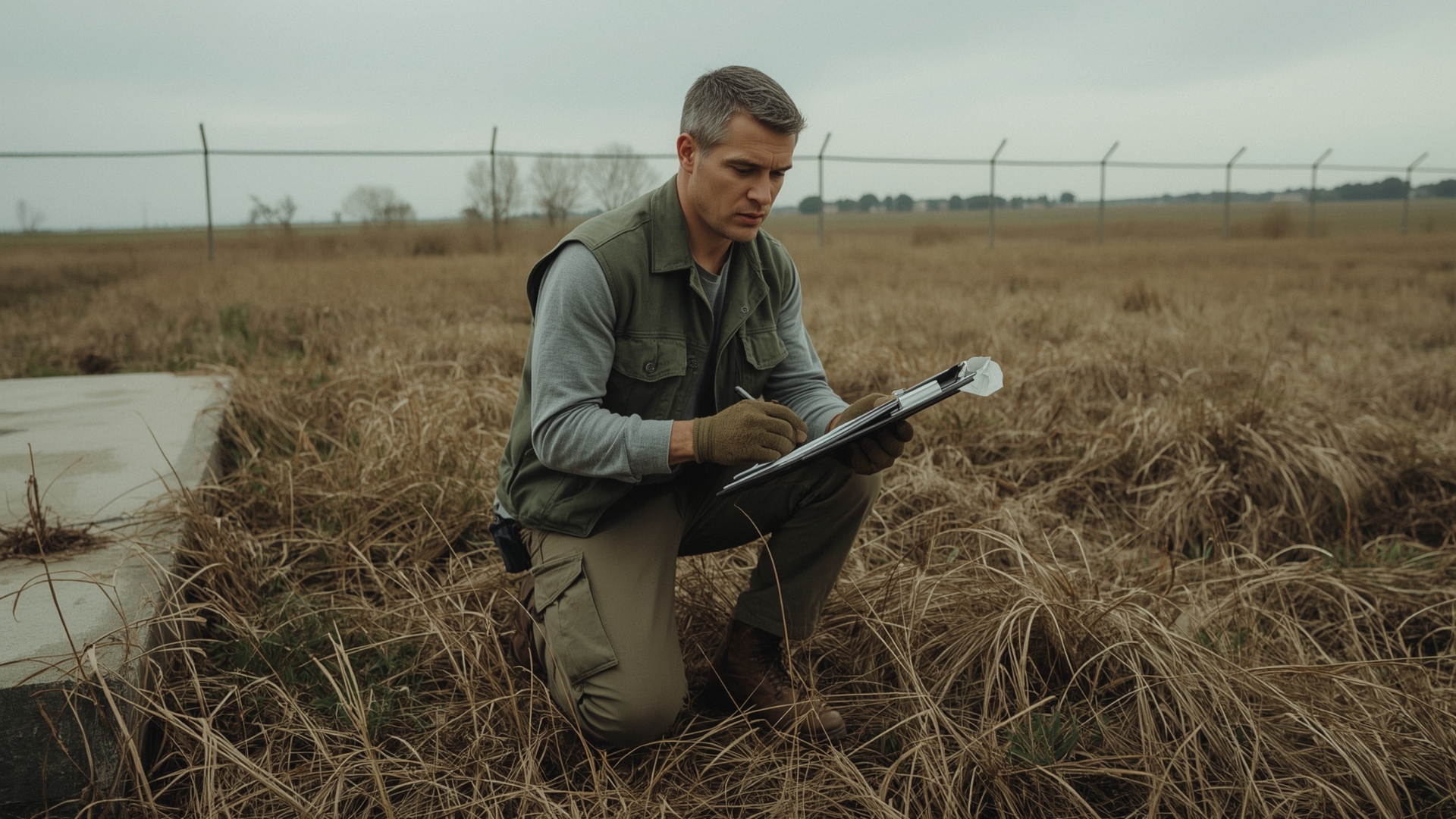
Quick Answer: Phase I reviews government records, historical maps, aerial photos, and the property’s ownership history. The environmental professional also does a site walk and interviews current owners. No soil or water samples are collected in Phase I.
Phase I is entirely a records and observation exercise. The environmental professional pulls data from multiple government and commercial databases to build a picture of what has happened on and around the parcel.
Records and Database Review
The EP searches EPA databases (including the Superfund National Priorities List, RCRA hazardous waste generators, and underground storage tank registries), state environmental agency records, fire department records for hazardous materials storage, and local health department files. They also search the USGS for topographic maps and the National Wetlands Inventory for any wetland designations.
Historical aerial photographs are one of the most revealing tools. They can show a gas station or dry cleaner that operated on the property decades before current records began. Sanborn fire insurance maps, which date back to the 1800s in many cities, document industrial and commercial uses at street level.
Site Visit and Physical Observations
The EP walks the property and the surrounding area looking for visual clues: stained soil, stressed vegetation, unusual odors, abandoned drums, vent pipes, fill pipes, or monitoring wells. They also observe the conditions of neighboring properties, since contamination from a nearby source can migrate underground onto your parcel.
What Triggers a Recognized Environmental Condition (REC)?
A REC is the core finding of a Phase I ESA. It’s defined as the presence or likely presence of any hazardous substance or petroleum product that could impact the property. Common REC triggers include a former dry cleaning operation (which used perchloroethylene, or PCE), an underground storage tank (UST) associated with an old fuel station, industrial manufacturing, or a neighboring property with known contamination plume migration.
If the Phase I report identifies no RECs, you get a clean report and typically do not need to proceed to Phase II. If a REC is identified, Phase II testing is the next step.
What Does a Phase II Environmental Site Assessment Test For?
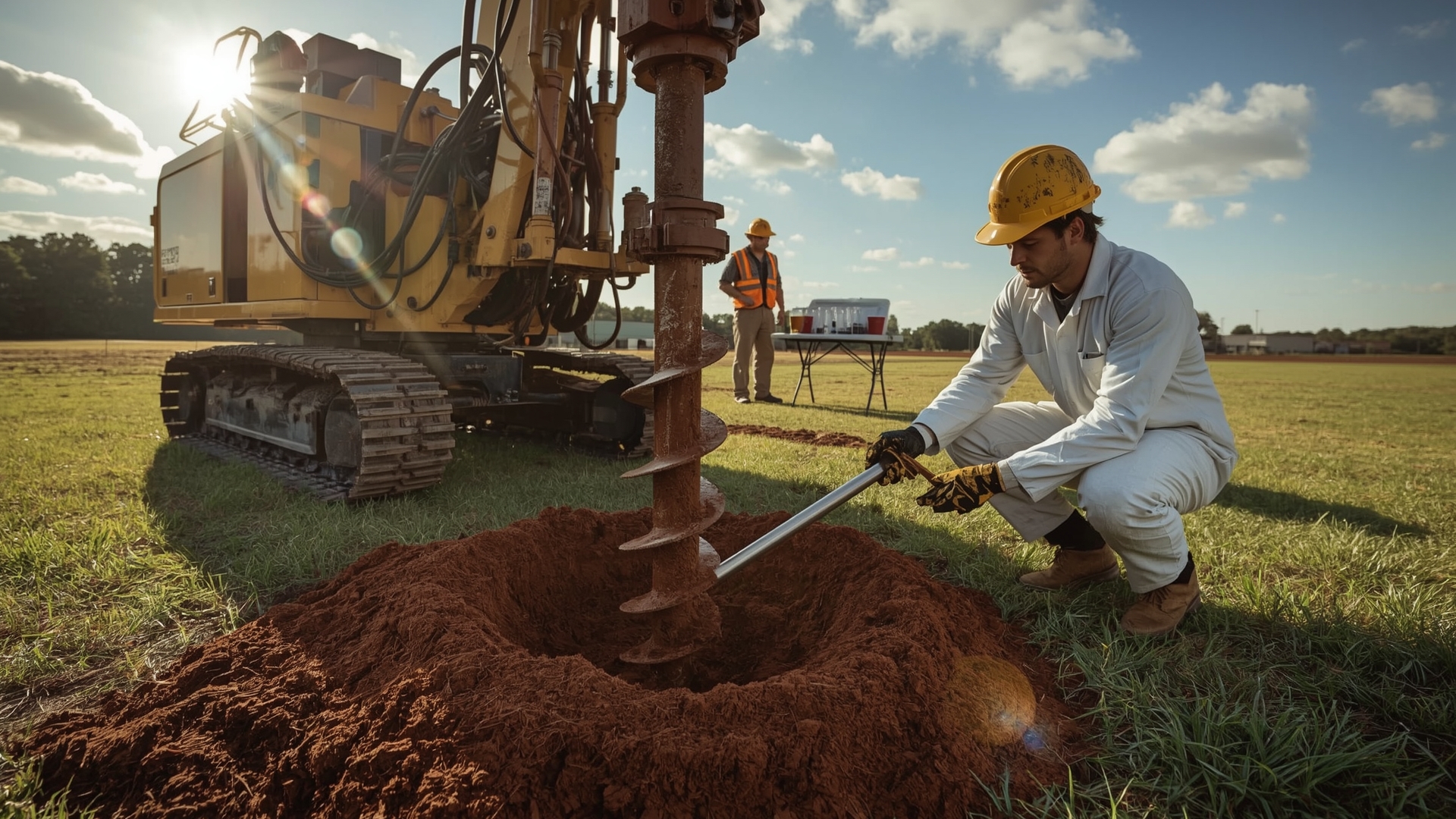
Quick Answer: Phase II tests soil, groundwater, and sometimes soil vapor for specific contaminants identified in Phase I. Common targets include petroleum hydrocarbons, chlorinated solvents like PCE and TCE, heavy metals like lead and arsenic, and asbestos in any existing structures.
Phase II moves from research to physical sampling. An environmental contractor collects soil borings, installs groundwater monitoring wells, or collects vapor samples, then sends them to an accredited laboratory for analysis. The goal is to confirm or rule out contamination at concentrations that exceed regulatory action levels.
Common Contaminants Tested in Phase II
| Contaminant | Source | Regulatory Standard (EPA) | Health Concern |
|---|---|---|---|
| Petroleum Hydrocarbons (TPH) | Underground storage tanks, fuel spills | State-specific; typically 100–500 mg/kg soil | Carcinogen, groundwater contamination |
| Perchloroethylene (PCE) | Dry cleaners, industrial degreasing | 5 µg/L in groundwater (MCL) | Liver damage, probable carcinogen |
| Trichloroethylene (TCE) | Metal cleaning, aerospace manufacturing | 5 µg/L in groundwater (MCL) | Carcinogen, developmental toxin |
| Lead | Lead paint, industrial operations, smelters | 400 mg/kg soil (residential) | Neurological damage, especially in children |
| Arsenic | Pesticide use, mining, natural geology | 0.010 mg/L in groundwater (MCL) | Carcinogen, skin and organ damage |
| Asbestos (ACM) | Building materials in structures built pre-1980 | 0.1 fibers/cm³ air (OSHA PEL) | Mesothelioma, lung cancer |
How Soil Borings and Groundwater Wells Work
A drilling crew uses a hollow-stem auger or direct-push rig to collect soil samples at various depths, typically every 5 feet down to the water table. The technician logs soil type and collects samples using stainless steel tubes to avoid cross-contamination. Samples are sealed, labeled with chain-of-custody documentation, and shipped to the lab under controlled temperature.
Groundwater monitoring wells are installed where soil results suggest contamination may have reached the water table. The well is purged (emptied) before sampling so fresh groundwater enters the casing. Results typically take 5 to 15 business days from the lab.
How Much Does an Environmental Site Assessment Cost?
Quick Answer: A Phase I ESA costs between $1,500 and $6,000 for most land parcels. Phase II costs range from $5,000 to over $50,000 depending on how many samples are needed, how deep contamination goes, and what the lab needs to test for.
Phase I and Phase II ESA Cost Breakdown
| Assessment Type | Typical Cost Range | Driving Factors | Typical Timeline |
|---|---|---|---|
| Phase I ESA (small parcel, <5 acres) | $1,500 – $2,500 | Simple land history, rural location, few adjacent parcels | 10 – 20 business days |
| Phase I ESA (commercial/industrial, 5–50 acres) | $2,500 – $6,000 | Complex history, urban location, multiple former uses | 15 – 30 business days |
| Phase II ESA (limited scope) | $5,000 – $15,000 | 2 – 8 soil borings, one contaminant type | 4 – 8 weeks total |
| Phase II ESA (moderate scope) | $15,000 – $35,000 | 10 – 20 borings, multiple contaminants, groundwater wells | 6 – 12 weeks total |
| Phase II ESA (complex/industrial site) | $35,000 – $100,000+ | Deep contamination, large plume, multiple media tested | 3 – 6 months |
Most rural and suburban land buyers encounter Phase I costs in the $2,000 to $3,500 range. Phase II costs depend heavily on the number of sampling locations and the specific contaminants the lab must screen for. Volatile organic compound (VOC) panels cost more than basic petroleum screens.
Who Pays for an ESA?
The buyer almost always pays for the Phase I ESA as part of due diligence. It’s treated the same as a survey or title search: your cost to investigate before committing. If Phase II reveals contamination, you may be able to negotiate with the seller to cover remediation costs or reduce the purchase price. Some sellers commission a Phase I before listing to resolve concerns upfront.
How Long Does an Environmental Site Assessment Take?
Quick Answer: A Phase I ESA typically takes 2 to 4 weeks from contract to final report. Phase II takes 4 to 12 weeks for most parcels, but complex sites with deep contamination or regulatory agency involvement can extend beyond 6 months.
Phase I timelines are largely driven by database response times and the EP’s availability. Government records requests can take 5 to 10 business days. Rush Phase I reports are available for an additional fee, sometimes cutting the timeline to 5 to 7 business days, but they typically cost 25% to 50% more.
Phase II timelines depend on drilling crew scheduling, lab turnaround, and whether the site needs regulatory agency notification. Some states require you to notify the environmental agency before drilling on certain types of sites. That notification period alone can add 2 to 4 weeks.
Typical Phase I ESA Timeline Step by Step
- Scope agreement and contract — 1 to 2 days
- Database and records review — 5 to 10 business days
- Site visit and observations — 1 day on site, typically in week 2
- Interviews with owners and occupants — 1 to 3 days
- Draft report preparation — 3 to 5 business days
- Client review and final report issuance — 2 to 4 business days
When Is an Environmental Site Assessment Required Before Buying Land?

Quick Answer: An ESA is legally required when a federally backed loan is involved, including SBA loans, USDA loans, and most commercial mortgages. Even without a lender requirement, any parcel with industrial history, former fuel storage, or agricultural chemical use warrants voluntary assessment.
Lender-Triggered Requirements
Most commercial lenders require a Phase I ESA before approving a loan on vacant land. This includes SBA 7(a) and 504 loans, USDA Business and Industry loans, conventional commercial mortgages, and construction loans for commercial development. The lender, not the buyer, ultimately owns the risk of taking contaminated land as collateral.
For residential land purchases with conventional financing, lender requirements vary. Rural parcels near agricultural operations, industrial zones, or properties with existing structures may trigger a lender’s discretionary ESA requirement even on residential loans.
When You Should Order One Voluntarily
Even when no lender requires it, a Phase I ESA makes sense in several situations:
- The parcel has any history of agricultural use (pesticide and fertilizer contamination are common)
- There’s a former commercial or industrial building on the property, even if demolished
- Neighboring properties include gas stations, dry cleaners, auto repair shops, or manufacturing facilities
- The parcel is located near a landfill, Superfund site, or known groundwater plume
- You plan to develop the land for residential use, which triggers stricter soil cleanup standards
Properties That Almost Always Need a Phase I
| Property Type | Common Concern | Phase I Recommended | Phase II Likelihood |
|---|---|---|---|
| Former gas station lot | Underground storage tank leaks, petroleum hydrocarbons | Yes — always | High (60–80%) |
| Former dry cleaner site | PCE/TCE soil and groundwater contamination | Yes — always | Very high (70–90%) |
| Agricultural land (30+ years farmed) | Pesticide residue, nitrate contamination in groundwater | Yes — recommended | Moderate (20–40%) |
| Industrial infill lot | Heavy metals, solvents, unknown buried waste | Yes — always | High (50–75%) |
| Undeveloped rural parcel, no adjacent industry | Minimal environmental history | Lender-dependent | Low (5–15%) |
| Parcel adjacent to Superfund site | Contaminant plume migration | Yes — always | High (50–80%) |
What Happens If Contamination Is Found During Phase II?
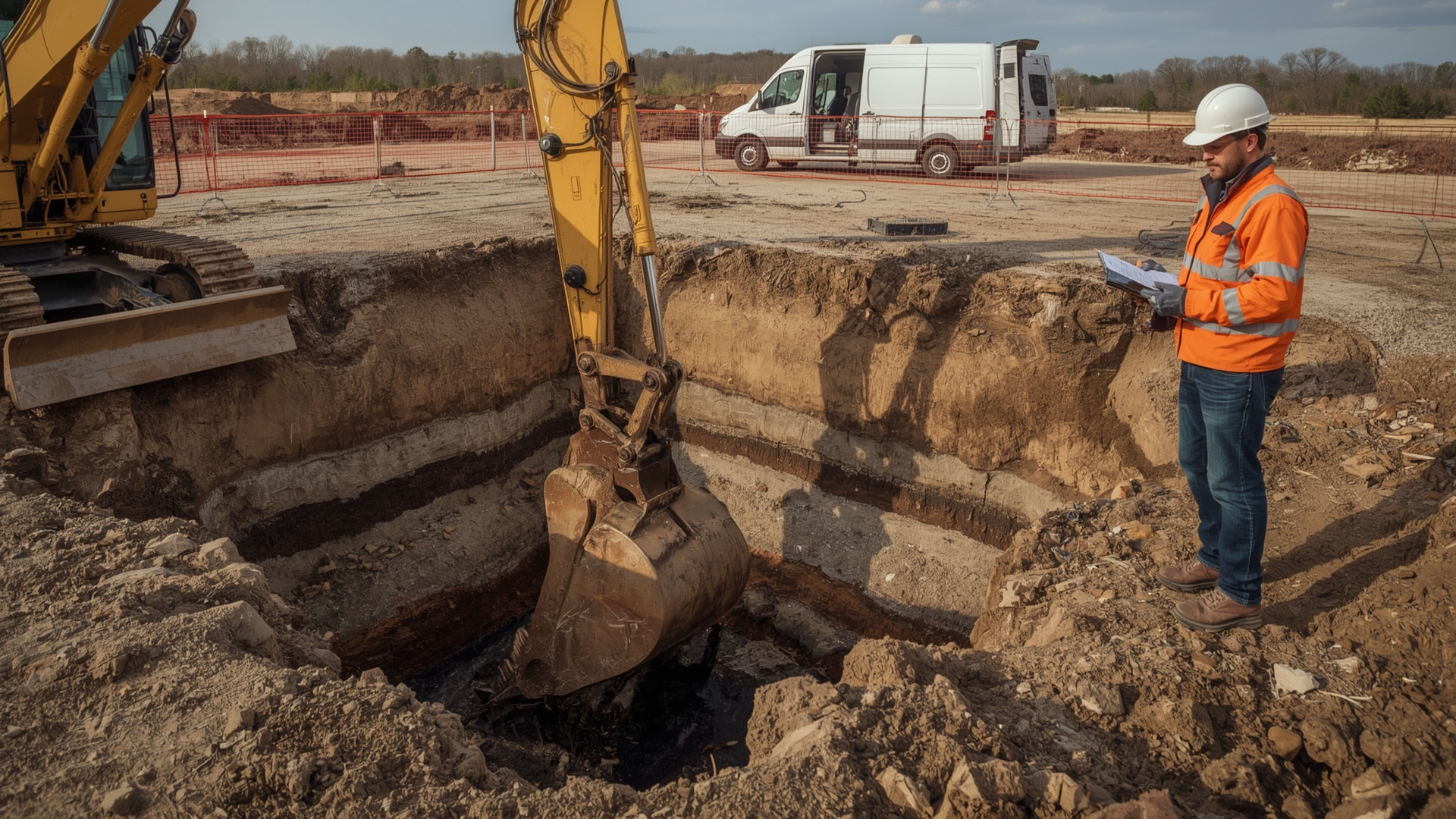
Quick Answer: If Phase II confirms contamination above regulatory action levels, you have four options: walk away from the purchase, renegotiate the price to account for remediation costs, require the seller to remediate before closing, or accept the contamination and factor cleanup into your development budget.
Finding contamination doesn’t automatically kill a deal. It changes the deal. The key question is whether the contamination is manageable. A shallow petroleum spill contained to 0.25 acres might cost $25,000 to $80,000 to remediate using soil excavation. A chlorinated solvent plume in the groundwater could cost millions and take decades to resolve.
Remediation Methods and Relative Costs
| Remediation Method | Contaminants Targeted | Typical Cost Range | Timeline |
|---|---|---|---|
| Soil Excavation and Disposal | Petroleum, heavy metals, pesticides | $20,000 – $200,000 | 2 – 8 weeks |
| In-Situ Chemical Oxidation (ISCO) | Chlorinated solvents, petroleum | $50,000 – $500,000 | 6 months – 3 years |
| Pump and Treat (groundwater) | Dissolved petroleum, solvents | $100,000 – $2,000,000+ | 5 – 30 years |
| Monitored Natural Attenuation | Low-level petroleum in stable plumes | $10,000 – $50,000 (monitoring) | 5 – 20 years |
| Institutional Controls (deed restriction) | Any — limits use rather than cleans | $2,000 – $10,000 (legal) | Immediate |
The Innocent Landowner Defense
Under CERCLA (the Comprehensive Environmental Response, Compensation, and Liability Act), you can be held responsible for contamination you didn’t create. The innocent landowner defense protects buyers who conducted “all appropriate inquiries” before purchase. A Phase I ESA completed by a qualified EP, following ASTM E1527-21, is the documentation that satisfies this defense.
Without a Phase I, you have no legal protection. If contamination is discovered after closing, you may be jointly liable for cleanup costs alongside previous owners.
How Do You Choose an Environmental Professional for a Land ESA?
Quick Answer: Look for a licensed Environmental Professional with a PE (Professional Engineer) or LSRP (Licensed Site Remediation Professional) credential, experience with your state’s regulatory requirements, and errors and omissions insurance. Get at least three quotes and verify references on similar land types.
Environmental consulting is not a licensed profession in every state, so credentials matter. Always verify that your EP holds professional licensure in your state, not just a general environmental certification. National firms offer consistency, but regional firms often have faster database response times and stronger relationships with state environmental agencies.
Questions to Ask Before Hiring an Environmental Consultant
- Are you familiar with ASTM E1527-21 and do you follow it for all Phase I reports?
- Do you carry errors and omissions (E&O) insurance, and what are the coverage limits?
- Have you worked on parcels with similar histories in this region or state?
- What is your typical turnaround time for a Phase I report?
- If Phase II is needed, do you have drilling equipment or do you subcontract it?
- Will your report be accepted by commercial lenders and the SBA?
Are There Other Types of Environmental Assessments for Land?
Quick Answer: Beyond Phase I and Phase II, land buyers may encounter Phase III ESAs (remediation planning and execution), wetlands delineations, threatened species surveys, and vapor intrusion assessments. Each serves a different regulatory or development purpose and may be required by different agencies.
Phase III ESA: Remediation and Cleanup
A Phase III ESA is not a formal ASTM-defined assessment. The term is used informally in the industry to describe the remediation planning and execution phase. It begins after Phase II confirms contamination at levels requiring action. A remediation action plan is developed, approved by the state environmental agency, and then implemented. Costs can range from tens of thousands to millions of dollars.
Wetlands Delineation
A wetlands delineation is a separate assessment from an ESA. It determines whether any portion of a parcel contains wetlands regulated under Section 404 of the Clean Water Act. If wetlands are present, development may require permits from the Army Corps of Engineers and mitigation to offset impacts. Delineations cost $1,500 to $5,000 for most parcels and take 2 to 6 weeks.
Vapor Intrusion Assessment
Vapor intrusion occurs when volatile contaminants from soil or groundwater migrate upward as gas into buildings or crawl spaces. If you plan to build on land with any prior solvent or petroleum use nearby, a vapor intrusion assessment may be required or strongly recommended. This assessment tests subsurface soil gas and can be added to a Phase II scope or conducted separately.
Frequently Asked Questions
Can you buy land without a Phase I environmental site assessment?
Yes, in most cases. No law requires a Phase I for a private cash purchase. However, if you use any federally backed financing, a Phase I is mandatory. Even for cash deals, skipping a Phase I on land with commercial or industrial history creates legal exposure. Without it, you have no innocent landowner defense under CERCLA if contamination surfaces later.
Does a Phase I ESA expire?
Yes. Under ASTM E1527-21, a Phase I ESA is valid for 180 days. After that, the EP must update certain components, including regulatory database searches and the site reconnaissance, to keep the report current. Lenders will not accept a Phase I older than 180 days at loan closing. If your transaction is delayed, budget for an update, which typically costs $500 to $1,500.
What is a Recognized Environmental Condition and how serious is it?
A Recognized Environmental Condition (REC) is a finding in a Phase I report that indicates a known or suspected release of hazardous substances or petroleum. It does not mean contamination is confirmed. It means the risk is high enough to warrant Phase II testing. Some RECs are resolved with limited Phase II sampling; others reveal significant contamination requiring full remediation.
Can agricultural land have environmental contamination?
Yes. Decades of pesticide, herbicide, and fertilizer application can leave residues in soil and groundwater. Organochlorine pesticides like DDT and chlordane were used widely before bans in the 1970s and 1980s and can persist in soil for decades. Nitrate contamination from fertilizers is also common in groundwater below heavily farmed parcels. A Phase I for agricultural land should flag these historical use patterns.
Who keeps the Phase I ESA report after the sale?
The report belongs to the party who commissioned it, typically the buyer. If a lender required the Phase I, they will also retain a copy. Future buyers may request a copy during their own due diligence, but the original commissioning party is not legally required to share it. It’s good practice to keep the report permanently with your property records.
What is the difference between a Phase I ESA and a home inspection?
A home inspection focuses on the structural and mechanical condition of a building: roof, foundation, HVAC, plumbing, and electrical systems. A Phase I ESA focuses on environmental risk to the land itself, including soil, groundwater, and hazardous substance history. They serve different purposes, require different credentials, and are not interchangeable. Land buyers often need both when purchasing a parcel with existing structures.