Thinking about buying land in Florida? It’s a big step, and honestly, it can feel a little overwhelming at first. There are so many things to consider, from loans and budgets to just figuring out where you even want to put down roots. This guide is here to help break it all down, making the process of buying land in Florida a bit clearer. We’ll cover the basics so you can feel more confident as you start your journey.
Key Takeaways
- Understand the difference between land loans, lot loans, and construction loans before you start looking.
- Florida offers financial perks for homeowners, like no state income tax, which can impact your budget.
- Creating a realistic budget that includes all costs, not just the land price, is super important.
- Doing your homework on the land itself – things like access, zoning, and utilities – is a must before you buy.
- Working with real estate pros and lenders who know the Florida market can make the whole process smoother.
Understanding Your Options to Buy Land in Florida
Buying land in Florida is an exciting step towards building your dream home. But before you start picturing your future backyard, it’s important to know how you’ll finance this purchase. There are a few different ways to go about it, and understanding these options will help you make the best choice for your situation.
Exploring Land Loans and Lot Loans
When you’re looking to buy land, you’ll likely encounter terms like "land loan" or "lot loan." These are essentially the same thing: a mortgage specifically for purchasing undeveloped property. Unlike a traditional home mortgage, which is for a house that’s already built, a land loan is just for the dirt itself. This can be a great way to secure your perfect spot now, even if you’re not ready to build right away. It’s a way to get ahead of the game and make sure that piece of land you love doesn’t get snapped up by someone else. Many local credit unions, like MIDFLORIDA, offer these types of loans, often financing a good portion of the land’s value. Just remember, these loans usually have shorter repayment periods compared to regular mortgages.
Distinguishing Land Loans from Construction Loans
It’s easy to mix up land loans and construction loans, but they serve different purposes. A land loan, as we’ve discussed, is solely for buying the property. A construction loan, on the other hand, is designed to cover the costs of building a home on that land. Sometimes, you can find a "construction-to-permanent" loan, also known as a single-close loan. This type of loan bundles the cost of buying the land and building the house into one package, which can simplify the financing process. If you plan to build soon after buying the land, this might be something to look into. But if you’re buying land to hold onto for a few years before building, a simple land loan is probably what you need.
Financing Your Land Purchase: Key Steps
Getting a loan for land involves a process, much like buying a house. Here’s a general idea of what to expect:
- Assess Your Finances: Get a clear picture of your credit score and overall financial health. This will help you know what kind of loan you might qualify for.
- Research Lenders: Look for lenders, especially local ones familiar with Florida real estate, who offer land loans. Talking to a mortgage specialist early on is a good idea.
- Find Your Land: Once you have an idea of your budget and financing options, start searching for the perfect piece of land.
- Loan Application & Approval: Apply for the loan. The lender will likely require an appraisal of the land to determine its value.
- Down Payment: Figure out how much you’ll need for a down payment. This can vary depending on the lender and the loan type.
- Closing: Once approved, you’ll go through the closing process to finalize the purchase.
Securing financing for land is a distinct process from financing a home. Understanding the differences between land loans, lot loans, and construction loans will help you choose the right path for your future home site. It’s about making sure your financial plan aligns with your building timeline.
Thinking about buying land in Florida? It’s a big step, and knowing your financing options is the first part of making that dream a reality. For more insights into the home-buying process in Florida, check out this guide for first-time homebuyers in Florida for 2026.
Navigating the Florida Real Estate Market
Why Florida Remains a Top Choice for Homebuyers
Florida has long been a magnet for people looking to buy property, and it’s easy to see why. The state offers a lifestyle many dream of, with its warm weather year-round and beautiful scenery. Plus, there are financial perks, like not having to pay state income tax, which can really add up over time. It’s a place that feels like a permanent vacation for many, making it a popular spot for both primary residences and vacation homes.
Understanding Diverse Florida Neighborhoods
Florida isn’t just one kind of place; it’s a collection of very different areas. You have the big, busy cities like Miami and Orlando, full of culture and activity. Then there are quieter suburbs and even rural spots if you prefer more peace and quiet. Each area has its own vibe and set of attractions. It’s important to figure out what kind of environment you’re looking for before you start searching for land.
Here’s a quick look at some popular types of areas:
- Urban Centers: Think bustling cities with lots of dining, entertainment, and job opportunities.
- Suburban Communities: Often a good balance between city access and a more relaxed pace of life.
- Coastal Towns: Ideal for beach lovers, offering ocean views and water activities.
- Rural Areas: Great for those seeking space, privacy, and a connection with nature.
Coastal vs. Inland Living: Making Your Choice
When you’re looking at land in Florida, a big decision is whether you want to be near the coast or further inland. Coastal living means being close to the ocean, with its beautiful views and beach access. It’s great if you love swimming, boating, or just the sound of the waves. Inland areas, on the other hand, often offer more land for your money and a different kind of quiet. You might find more opportunities for farming or just enjoying a larger private space away from the crowds.
Choosing between coastal and inland living really comes down to your personal preferences and what you plan to do with the land. Both offer unique advantages, and the right choice depends entirely on your lifestyle and goals.
Consider these points when deciding:
- Proximity to Water: How important is being right on the coast or near a lake?
- Land Size and Use: Do you need a large plot for privacy or specific activities, or is a smaller lot fine?
- Community Feel: Do you prefer a lively beach town atmosphere or a more secluded, natural setting?
- Potential for Flooding/Storms: Coastal areas may have different risks compared to inland locations.
Financial Considerations for Land Acquisition
Buying land in Florida is a big step, and figuring out the money side of things is super important. It’s not just about the price tag you see; there are other costs and ways to pay that you’ll want to get a handle on. Thinking this through now will save you headaches later.
Creating a Realistic Budget for Land Purchase
When you’re looking at buying land, you’ve got to think beyond just the sale price. There are a bunch of other expenses that can add up pretty quickly. It’s like when I decided to fix my bike last weekend – I thought it’d be cheap, but then I needed special tools and parts I didn’t expect. For land, these extras can include things like property taxes, title insurance, surveys, and maybe even special assessments depending on the area. You also need to consider potential costs for clearing the land or getting utilities hooked up, which can be surprisingly high.
Here’s a quick breakdown of what to budget for:
- Purchase Price: The agreed-upon cost of the land.
- Closing Costs: Fees for title insurance, legal services, recording fees, etc.
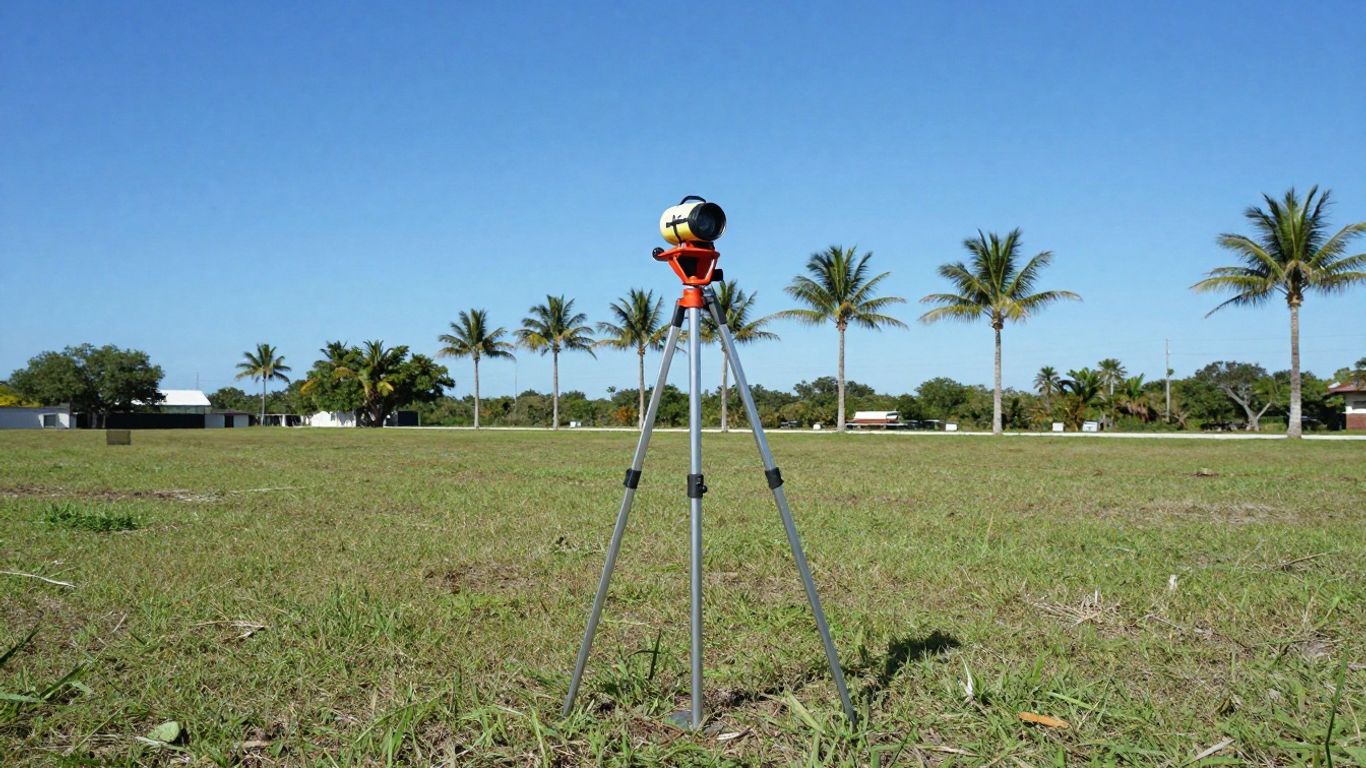
- Survey Costs: To clearly mark property lines.
- Appraisal Fees: To determine the land’s market value.
- Permits and Inspections: If you plan to build soon.
- Utility Hook-up Fees: Connecting to water, sewer, electricity.
- Land Clearing/Preparation: Costs to make the land usable.
- Ongoing Property Taxes: Annual taxes on the land.
It’s always a good idea to add a buffer to your budget for unexpected expenses. Things rarely go exactly as planned, and having a little extra wiggle room can make a big difference.
Leveraging Florida’s Financial Benefits for Homeowners
Florida has some programs and benefits that can make owning land and building a home more affordable. While these are often geared towards primary residences, it’s worth looking into what might apply to your situation. Sometimes there are tax advantages or incentives for developing certain areas. Keep an eye out for any local or state programs that could help reduce your overall costs. It’s smart to talk to a local real estate agent or a financial advisor who knows the Florida market well. They can point you toward any specific benefits you might qualify for, like special property tax assessments if you plan to build a home.
Exploring Owner Financing for Land Investments
Sometimes, getting a traditional loan for land can be tricky, or maybe you just want more flexibility. That’s where owner financing comes in. With this setup, the seller acts like the bank, and you make payments directly to them. This can be a great option if you’re having trouble qualifying for a loan or if you want to avoid some of the fees associated with traditional lenders. It often means you can spread out the payments in a way that works better for your budget. Many sellers are open to this, especially if it means they can sell their property. It’s a good way to invest in land when you might not have thought it was possible. You can often find sellers who are willing to work with you to create a payment plan that fits your financial comfort level.
Preparing for Your Land Purchase Journey
Buying land in Florida is a big step, and like any big step, it helps to be ready. Think of it like packing for a trip – you wouldn’t just throw things in a bag, right? You plan what you need. Getting ready for land ownership is similar. It’s about making sure you’re set financially and know who can help you along the way.
Assessing Your Financial Readiness
Before you even start looking at properties, take a good, honest look at your bank account and credit report. Lenders will want to see that you’re financially stable. This means checking your credit score – a higher score usually means better loan terms. Also, figure out how much you can realistically afford for a down payment and monthly payments. It’s not just about the purchase price; think about property taxes, insurance, and potential future building costs. Getting your finances in order now saves a lot of headaches later.
The Role of Real Estate Professionals
Trying to buy land on your own can feel like trying to assemble furniture without instructions. That’s where real estate agents and brokers come in. They know the local market, understand the paperwork, and can help you find properties that fit your needs. A good agent can be your guide, pointing out potential issues you might miss and helping you negotiate the best deal. They can also connect you with other professionals you might need, like surveyors or inspectors. Finding the right agent is like finding a good co-pilot for your journey.
Securing Your Future Home Site
Once you’ve got your finances sorted and a professional by your side, it’s time to think about the actual land. What do you want to do with it? Do you plan to build a house right away, or hold onto it for a while? This will influence the type of loan you need and the kind of property you should look for. Consider things like access to the property – can you easily get to it? Are there utilities nearby, or will you need to bring them in? Thinking about these details now helps you choose a piece of land that will truly become your future home site. For example, if you’re looking at riverfront property, you’ll want to understand the local utility providers and any environmental considerations, like those near the Indian River Lagoon. Planning for utilities is a key part of this step.
Getting your financial ducks in a row and understanding the process with professional help makes buying land much smoother. It’s about being prepared so you can focus on the exciting part: building your dream.
Securing Financing for Your Land Purchase
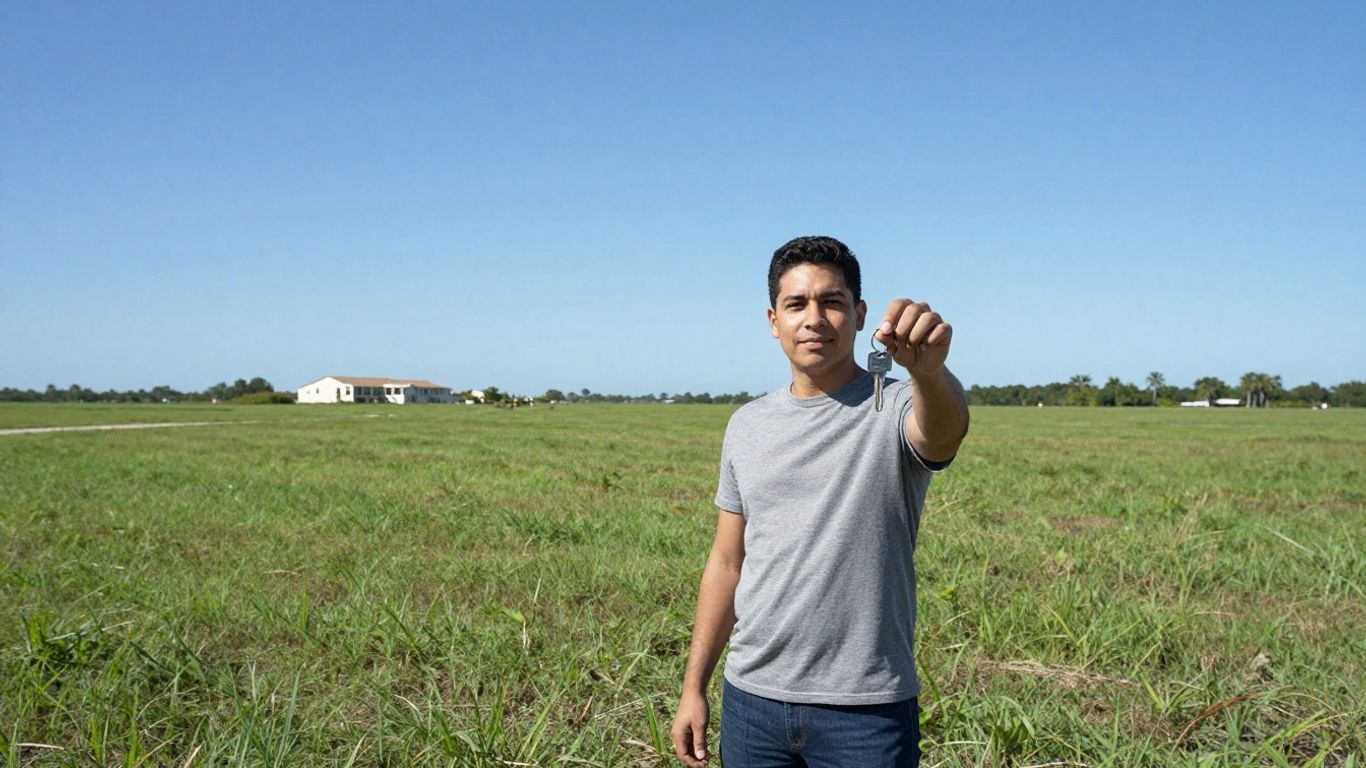
Buying land in Florida is exciting, but figuring out the money part can feel a bit tricky. You’ve found the perfect spot, but how do you actually pay for it, especially if you’re not ready to build right away? That’s where land purchase mortgages come in. Think of them as a way to secure your future building site before you’re ready to break ground.
Pros and Cons of Land Purchase Mortgages
Land loans, sometimes called lot loans, are specifically for buying land. They’re different from construction loans, which bundle the land and building costs together. While they let you lock in your land now, they do have some differences compared to a regular home mortgage.
Here’s a quick look at the upsides and downsides:
- Pros:
- Lets you buy land even if you don’t have all the cash upfront.
- You can secure your dream spot now and build later.
- It’s a solid step towards building your future home.
- Cons:
- Lenders sometimes see them as a bit riskier.
- Loan terms are usually shorter than for a finished home.
Lenders often consider land loans a higher risk, which can mean shorter repayment periods compared to traditional mortgages for existing homes. It’s important to be aware of these terms when planning your finances.
Choosing the Right Loan for Your Land Goals
The best loan for you really depends on what you plan to do. If you’ve found a great piece of land and plan to build in a few years, a home lot loan is likely your best bet. It lets you own the land while you plan.
However, if you’re looking to start building within a year, you might want to look into a construction-to-permanent loan. This type of loan covers both the land purchase and the construction costs, often simplifying the process into one closing. It’s good to know your options, and a lender can help you sort out which fits your timeline and building plans best. Understanding how zoning affects land loans is also a key part of this decision.
Working with Experienced Lenders
Finding the right lender is a big part of this process. You’ll want someone who understands land loans, especially in Florida. They can guide you through the steps, which usually involve:
- Checking your credit and budget.
- Researching different loan options.
- Finding a piece of land that works for you.
- Starting the loan approval process.
- Getting an appraisal for the land.
- Figuring out your down payment.
- Closing on the loan.
Many lenders offer these types of loans, but working with a credit union familiar with the local market can sometimes make things smoother. They can help you understand requirements like credit scores and income, and explain how much you can finance, often covering 80-90% of the land’s value. Remember, these loans typically have shorter terms than standard mortgages, so be prepared for that.
Due Diligence When Buying Land in Florida
Buying land in Florida is exciting, but it’s super important to do your homework before you sign anything. Think of it like checking all the ingredients before you bake a cake – you want to make sure everything is just right. This step, often called due diligence, helps you avoid surprises down the road.
Essential Property Evaluations
Before you get too attached to a piece of land, you need to look closely at it. This means checking things like the soil quality, especially if you plan to build. You’ll also want to know if there are any environmental concerns, like wetlands or flood zones, that could affect your plans or cost you extra money. It’s also a good idea to understand the property’s boundaries. Sometimes, these aren’t as clear as you might think, and knowing exactly where your land starts and ends is key.
Understanding Legal Access and Title Issues
One of the most critical parts of due diligence is making sure you have legal access to the property. Can you actually drive or walk onto the land? Sometimes, landlocked parcels exist, and you need to be sure you have the right to cross someone else’s property to get there. You also need to look into the title. This is basically the history of ownership for the land. You want to make sure there are no liens, claims, or other issues that could complicate your ownership. Getting a title search done is a standard part of this process. It’s a good idea to have a qualified real estate attorney help you with this part of the process [08b7].
Navigating Zoning and Utility Accessibility
What can you actually do with the land once you own it? That’s where zoning laws come in. Your local government has rules about what you can build, where you can build it, and how you can use the property. Make sure the zoning matches your plans, whether you want to build a home, start a business, or just keep it as open space. Also, think about utilities. Does the land have access to water, sewer or septic systems, and electricity? Sometimes, bringing these services to a remote piece of land can be very expensive, so it’s best to know upfront what’s available and what it will cost to connect.
Doing thorough due diligence protects your investment and sets you up for a smoother experience when you’re ready to build your dream home.
Ready to Make Your Florida Land Dream a Reality?
So, you’ve learned a lot about buying land in Florida for 2026. It might seem like a lot to take in, but remember, taking that first step is often the hardest part. Whether you’re looking at land loans, considering owner financing, or just trying to figure out the best way to budget, there are options out there. Don’t get overwhelmed by the details. Focus on what you want your future in Florida to look like. Do your homework, talk to the right people – like lenders and real estate pros – and keep your goal in sight. Florida’s waiting, and with a little planning, that piece of land could be yours sooner than you think.
Frequently Asked Questions
Can I get a loan to buy just land in Florida?
Yes, you definitely can! It’s often called a land loan or a lot loan. This type of loan lets you buy land now, even if you’re not ready to build your house right away. Think of it as securing your future building spot.
What’s the difference between a land loan and a construction loan?
A land loan is just for buying the land itself. A construction loan is different because it covers both the cost of buying the land AND building your house, all in one package. Land loans are only for the dirt, not the building.
What are the good things (pros) about getting a loan for land?
Getting a land loan means you don’t need all the cash upfront to buy your dream spot. It lets you lock in the land now, giving you time to plan your build. It’s a big step towards building your future home.
What are the not-so-good things (cons) about a land loan?
Lenders sometimes see land loans as a bit riskier, so they might have shorter repayment times compared to regular home loans. You’ll want to check the specific terms carefully.
What should I check before buying land?
Before you buy, do your homework! Make sure you know who legally owns the land, check property lines, confirm you have a legal way to get to it (access), look into any rules about what you can build (zoning), and see if water, electricity, and other utilities are available.
Are there special financial benefits for homeowners in Florida?
Florida has some great perks for homeowners! One big one is the homestead exemption, which can help lower your property taxes. Plus, Florida doesn’t have a state income tax, which can save you money overall.